In recent years, responsible travelers worldwide have rightly become cautious about elephant attractions, seeking to avoid venues that offer cruel elephant rides, heavy metal chains, or forced tourist performances.
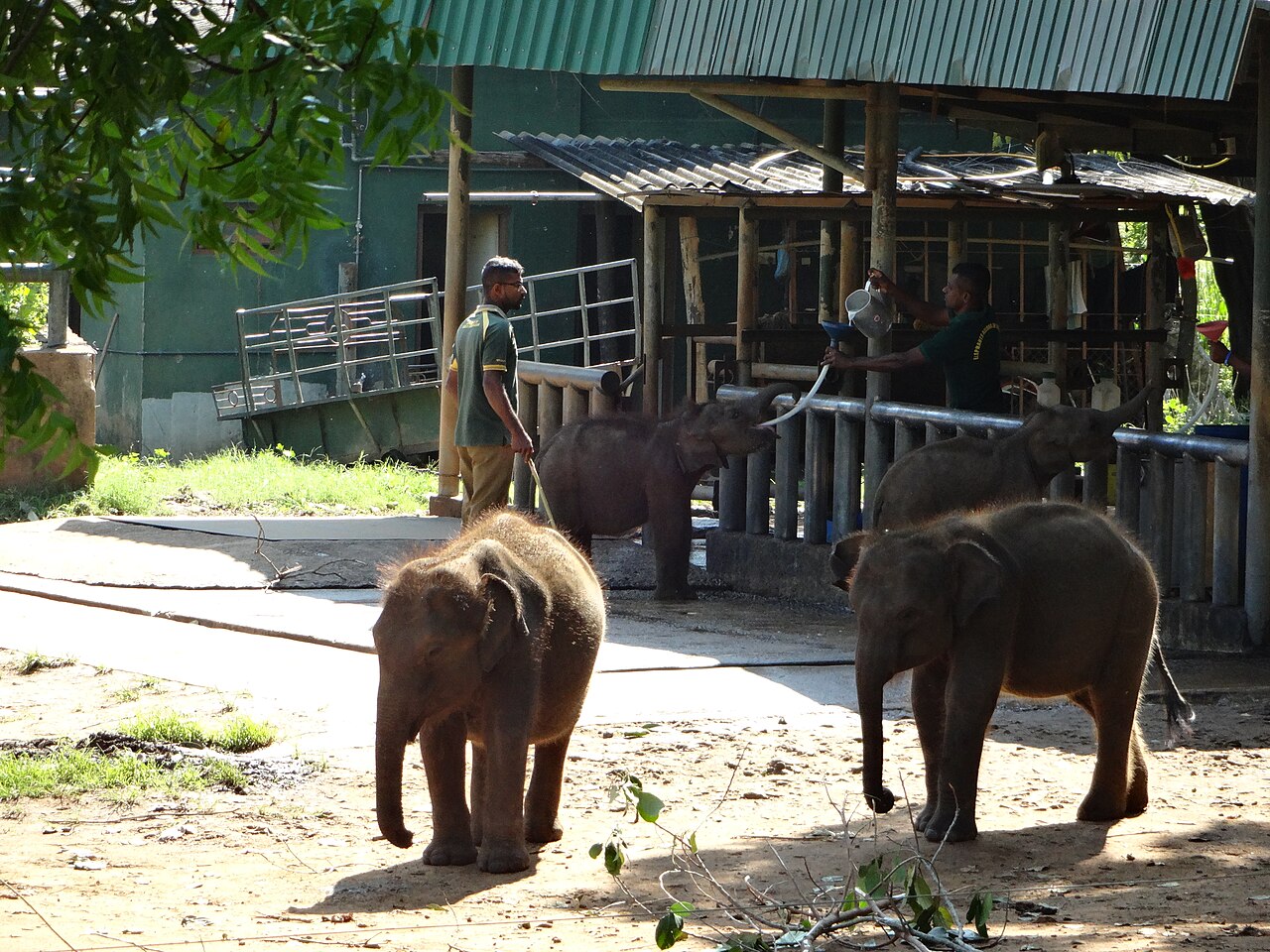
Located just outside the gates of Udawalawe National Park sits a world-class conservation success story: the Elephant Transit Home (ETH), known locally as Ath Athuru Sevana. Established in 1995 by the Department of Wildlife Conservation with support from the Born Free Foundation, the ETH is an ethical rehabilitation sanctuary dedicated to one goal: rescuing orphaned elephant calves and returning them to the wild.
1. How the Rehabilitation Model Works
Calves are brought to the facility after being separated from their mothers due to poaching, falls into agricultural wells, human-elephant conflict, or maternal death:
- Nutritional Milk Formula: Baby elephants require specialized human-grade milk formula every three hours to survive.
- Zero Hands-on Tourist Contact: Unlike commercial elephant orphanages, visitors at the ETH are strictly prohibited from touching, washing, or feeding the calves. Keeping human contact restricted solely to uniformed veterinary caretakers ensures the young elephants do not become domesticated or lose their natural fear of humans.
- Roaming Free in the Park: Outside of feeding times, the calves roam freely in a large fenced forest reserve bordering the national park, learning how to forage for wild grasses and interact with other elephants.
- Radio-Collared Wild Release: When an elephant reaches approximately five years of age and achieves independence, it is fitted with a satellite collar and released into Udawalawe National Park as part of a bonded peer group. Over 160 rehabilitated elephants have successfully rejoined wild breeding herds.
2. Attending the Public Milk Feeding
Visitors can observe the adorable spectacle of public feeding times from a shaded wooden observation viewing platform 30 meters away:
- Daily Feeding Timings: 9:00 AM, 12:00 PM, 3:00 PM, and 6:00 PM.
- The Experience: When the bell rings, dozens of baby elephants come stampeding eagerly down the dirt hillside, trumpeting with excitement as caretakers hand-feed them giant gallon bottles of warm milk. Within 20 minutes, the bottles are empty, and the calves amble happily back into the forest.
3. Visiting Details
- Duration: Plan to spend about 45 minutes at the platform.
- Entrance Fee: Modest entrance ticket (all proceeds fund milk formula and veterinary medicines).
- Photography: Photography with telephoto lenses is welcomed from the viewing deck.
“We always schedule our guests to visit the Elephant Transit Home at 2:30 PM for the 3:00 PM feeding, and then drive immediately into Udawalawe National Park for a 3:30 PM safari. Seeing the babies drink milk and then seeing wild herds roaming freely on the lake an hour later completes the full circle of conservation.”