While thousands of visitors flock to Yala Block 1 in the south, the park’s eastern sibling—Kumana National Park (formerly known as Yala East)—remains wonderfully remote, peaceful, and untouched.
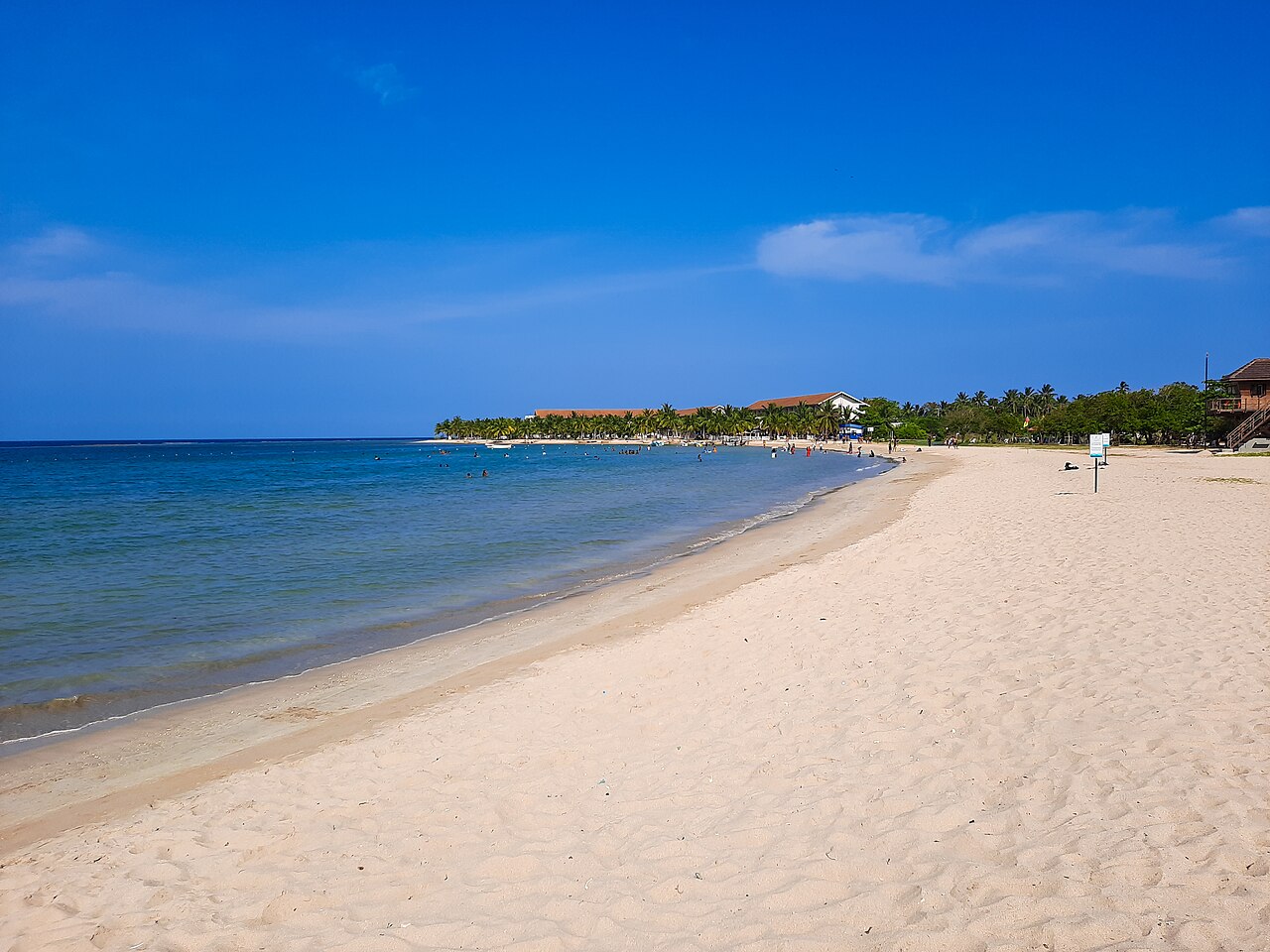
Separated from the southern blocks by the Kumbukkan Oya river, Kumana is reached via a dramatic coastal road leading south from Arugam Bay and Panama. The park combines wild Indian Ocean coastlines, enormous granite boulders, ancient Buddhist cave hermitages, and a 200-hectare natural mangrove swamp that serves as one of South Asia’s most vital breeding sanctuaries for colonial water birds.
1. The Kumana Villu Bird Sanctuary
Between May and July, the core wetland of Kumana—a massive mangrove-choked lagoon—transforms into a raucous, bustling nursery for tens of thousands of nesting birds:
- Colonial Waterbirds: Watch thousands of Painted Storks, Grey Herons, Eurasian Spoonbills, Great Egrets, and Spot-billed Pelicans building stick nests high in the branches of half-submerged mangrove trees.
- The Watchtower: Climb the elevated wooden bird observation tower overlooking the lagoon to watch parent birds flying back and forth from the ocean with fish for squawking chicks.
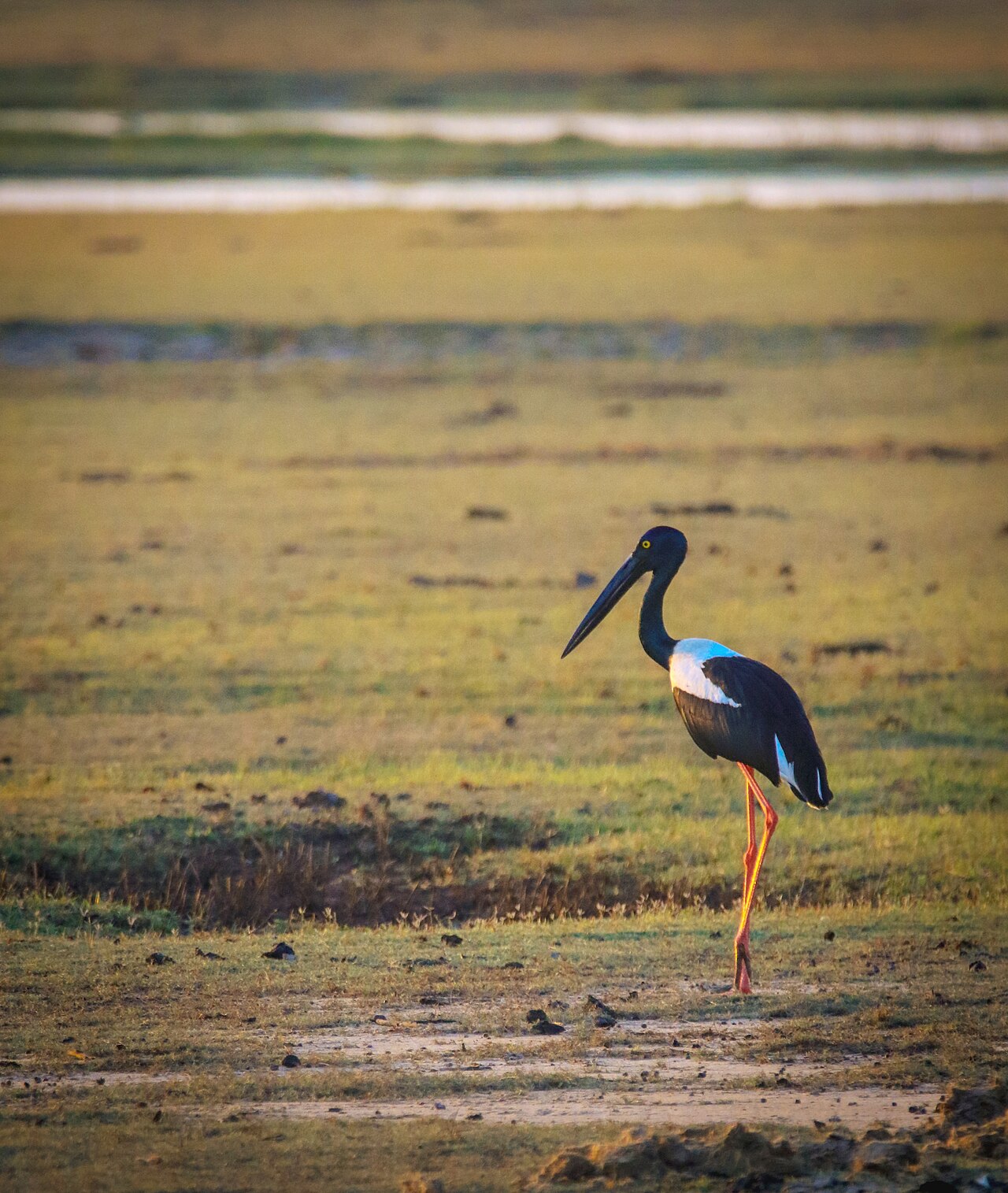
- The Rare Black-necked Stork: One of the few reliable places in Sri Lanka to spot the country’s rarest and most majestic wading bird.
2. Big Cats, Bears & Wild Elephants
Do not assume Kumana is only for birdwatchers. The park supports a thriving population of big game:
- Leopards on Granite Boulders: Leopards in Kumana are frequently seen basking atop giant granite rock formations (tors) overlooking the Kumbukkan River at sunset.
- Sloth Bears: Regularly spotted digging for insects along the dry gravel tracks.
- The Wild Kumbukkan River: The southern border of the park is lined with massive, hundred-year-old Kumbuk trees dipping their roots into clear flowing water, where wild elephant herds come to bathe in the afternoon.
3. Ancient Pilgrimage Trail & Caves
Deep inside Kumana lie ancient rock inscriptions and natural cave dwellings dating back to the 2nd century BCE. The park is crossed annually by thousands of barefoot pilgrims participating in the historic Pada Yatra—a 45-day spiritual walk from Jaffna to the holy jungle shrine of Kataragama.
“If you are visiting Arugam Bay for surfing between June and September, taking a half-day afternoon safari into Kumana is an absolute must. The drive takes you past crocodile-filled lagoons and wild coastal dunes with hardly another vehicle in sight.”