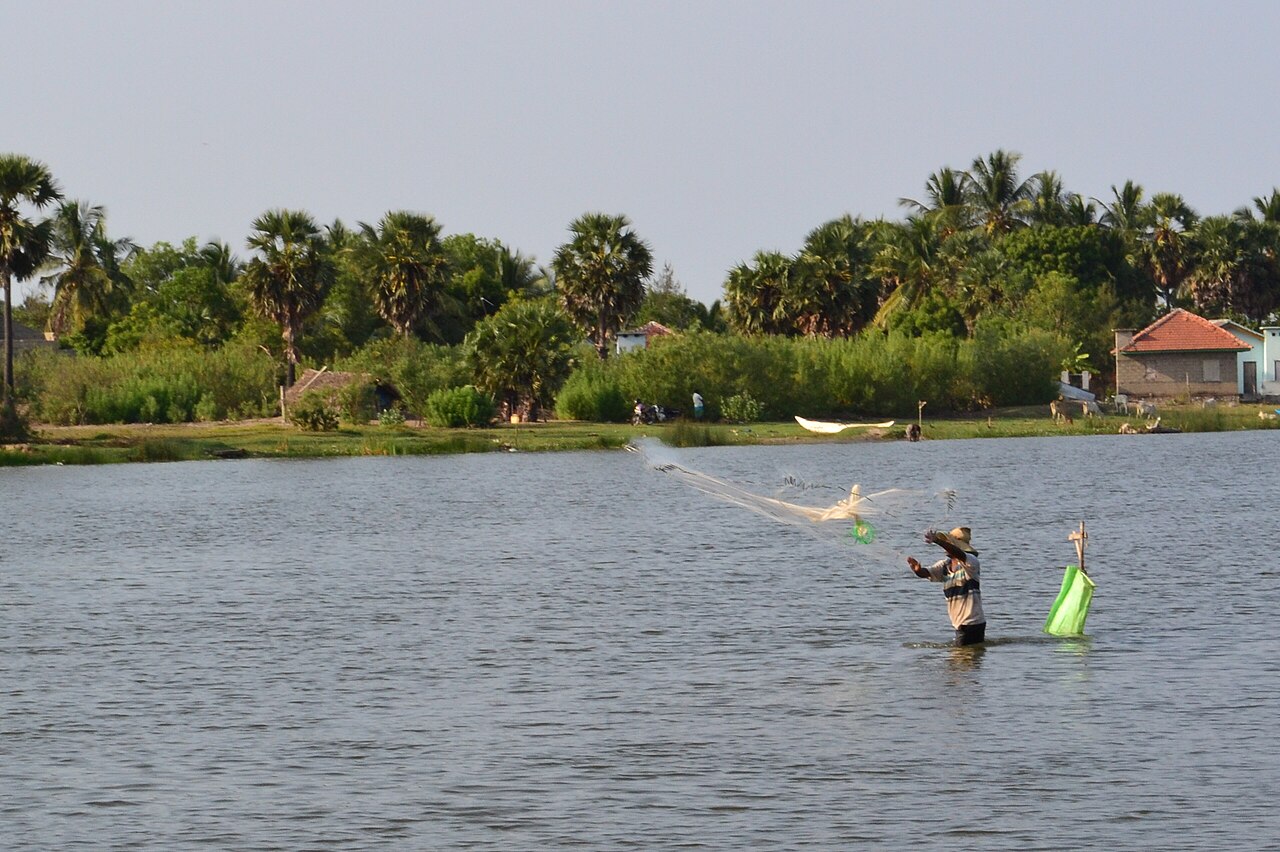
Located along the northwest coast 30 kilometers west of Anuradhapura, Wilpattu National Park is Sri Lanka’s largest and oldest national park, covering 131,000 hectares of pristine dry-zone wilderness.
The name Wilpattu translates directly to "Land of Lakes", referring to its striking geological feature: more than 60 natural, sand-rimmed rainwater basins known as villus. These serene white-sand waterholes create picturesque clearings within the dense forest canopy where wildlife congregates to drink, bathe, and feed.
1. Why Wilpattu is the Peaceful Alternative to Yala
While Yala in the south attracts large crowds, Wilpattu retains an aura of wild, unhurried tranquility:
- Dense Forest Canopy: Unlike Yala’s open scrub, Wilpattu is blanketed by mature dry evergreen forest dominated by palu, weera, and satinwood trees.
- Low Vehicle Density: You can frequently drive along sandy tracks for an hour without encountering another safari jeep.
- Leopard Sightings with Intimacy: When a leopard emerges to drink at a tranquil villu, you are often one of only two or three vehicles quietly observing the scene across the water.
2. Prime Wildlife to Track
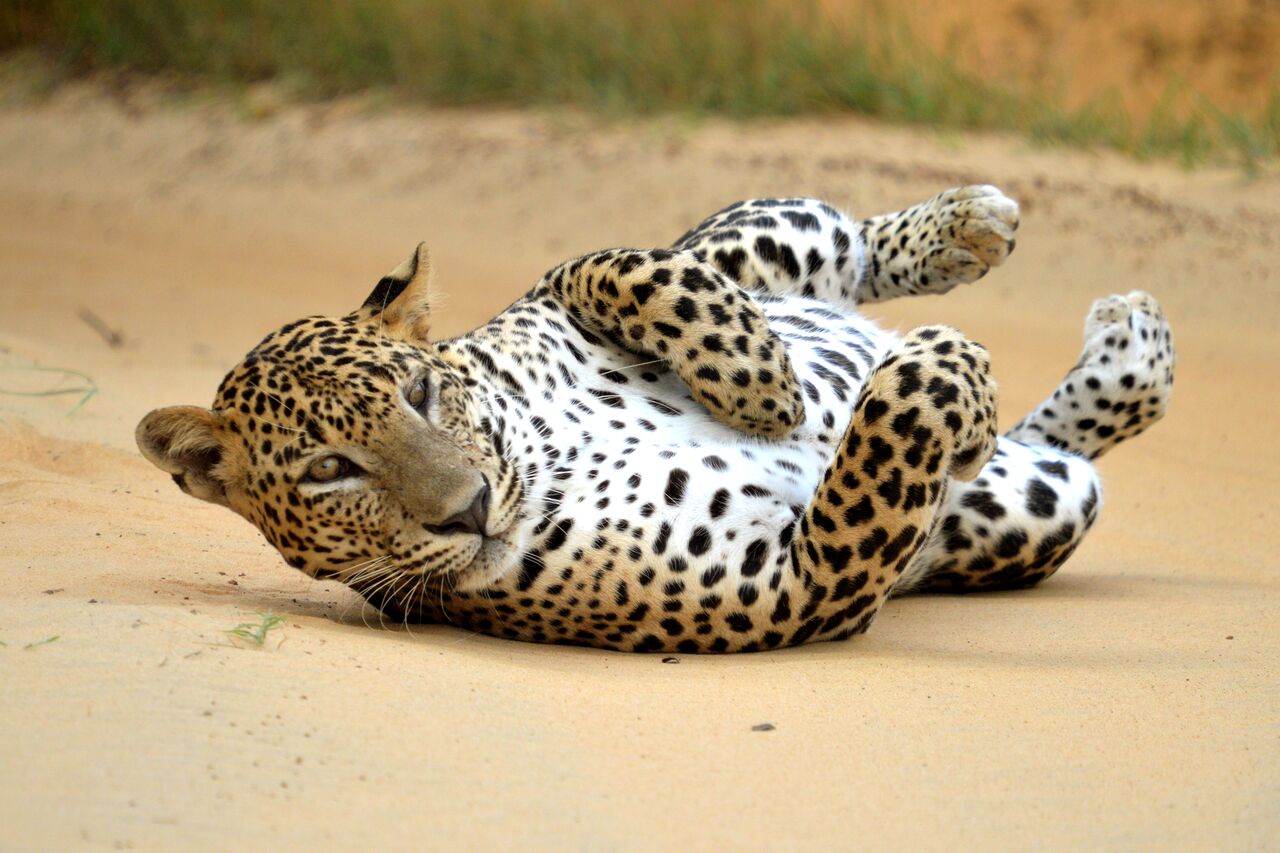
- The Sri Lankan Leopard: Wilpattu supports a healthy, thriving leopard population. Watch for them walking along the sandy forest roads or drinking at the edges of Kumbuk Wila and Kokkare Wila.
- Sloth Bears: Wilpattu is widely regarded by naturalists as Sri Lanka’s best park for observing the elusive Sloth Bear, often seen digging into termite mounds or ambling along tracks in broad daylight.
- Water Birds & Waders: Painted storks, spoonbills, garganeys, and white-bellied sea eagles nest around the perimeter of the villus.
- Barking Deer & Wild Boar: Abundant throughout the forest undergrowth.
3. Best Time and Safari Logistics
- Best Months: February through October provide dry weather and optimal wildlife sightings as animals concentrate around the villus.
- Full-Day Safaris: Because Wilpattu is vast, a full-day safari (6:00 AM to 6:00 PM) with a packed breakfast and lunch enjoyed at designated rest sites inside the park (such as the historic ruins of Kuweni’s Palace) is the best way to explore the remote interior.
“Wilpattu is a safari for true nature purists. The landscape is peaceful and breathtaking. Sitting by the edge of Kokkare Villu while the morning mist lifts and a majestic crested serpent eagle calls from a dead satinwood branch is pure serenity.”
Lakshman