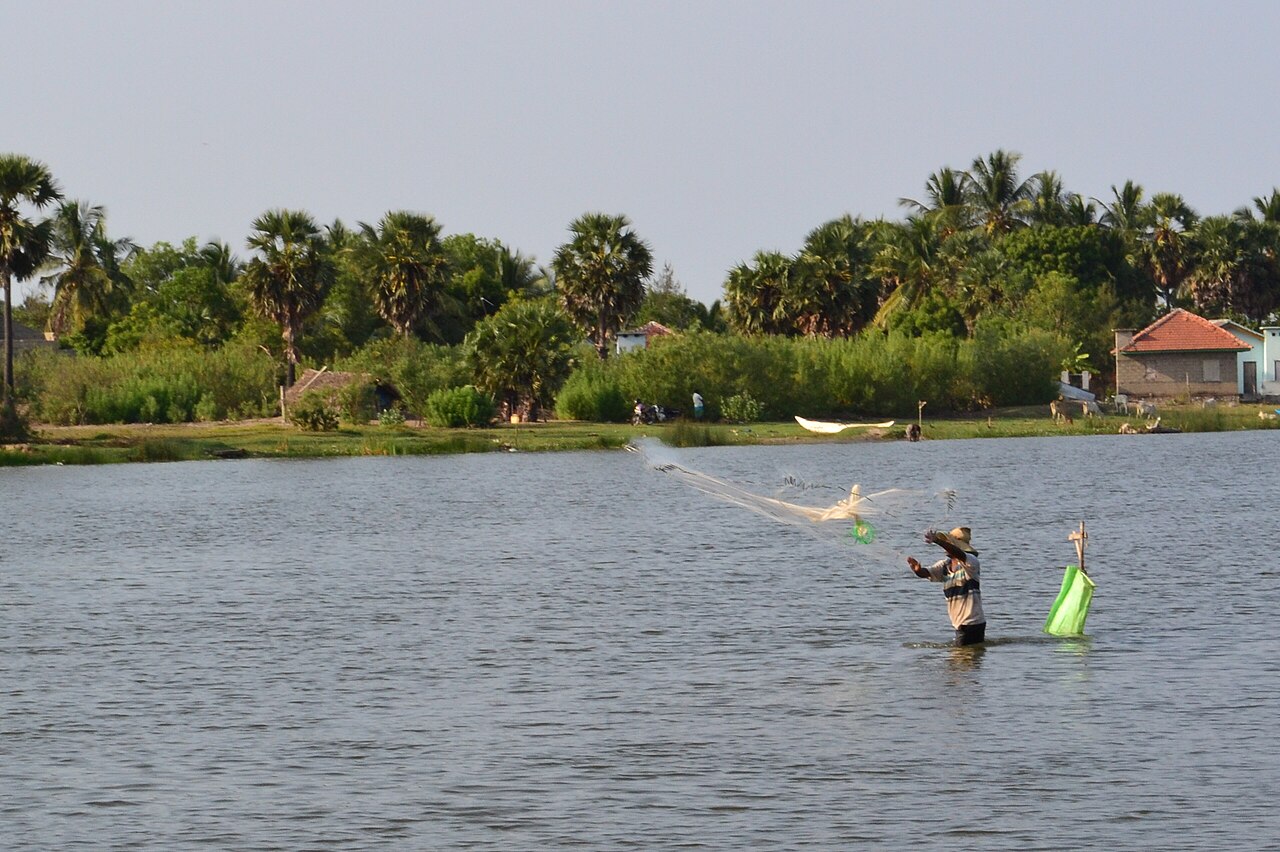
Sri Lanka is one of the world’s top 35 global biodiversity hotspots, packing a staggering density of leopards, wild Asian elephants, blue whales, sloth bears, and endemic birds onto a compact island.
With wildlife tourism booming, however, travelers play a crucial role in safeguarding these animals. By practicing ethical wildlife tourism, you ensure your visit supports conservation rather than contributing to animal distress.
1. Say NO to Elephant Riding & Captive Commercial Shows
- The Reality of Elephant Rides: Asian elephants are wild animals; breaking an elephant to carry tourists involves painful training and lifetime confinement on metal chains.
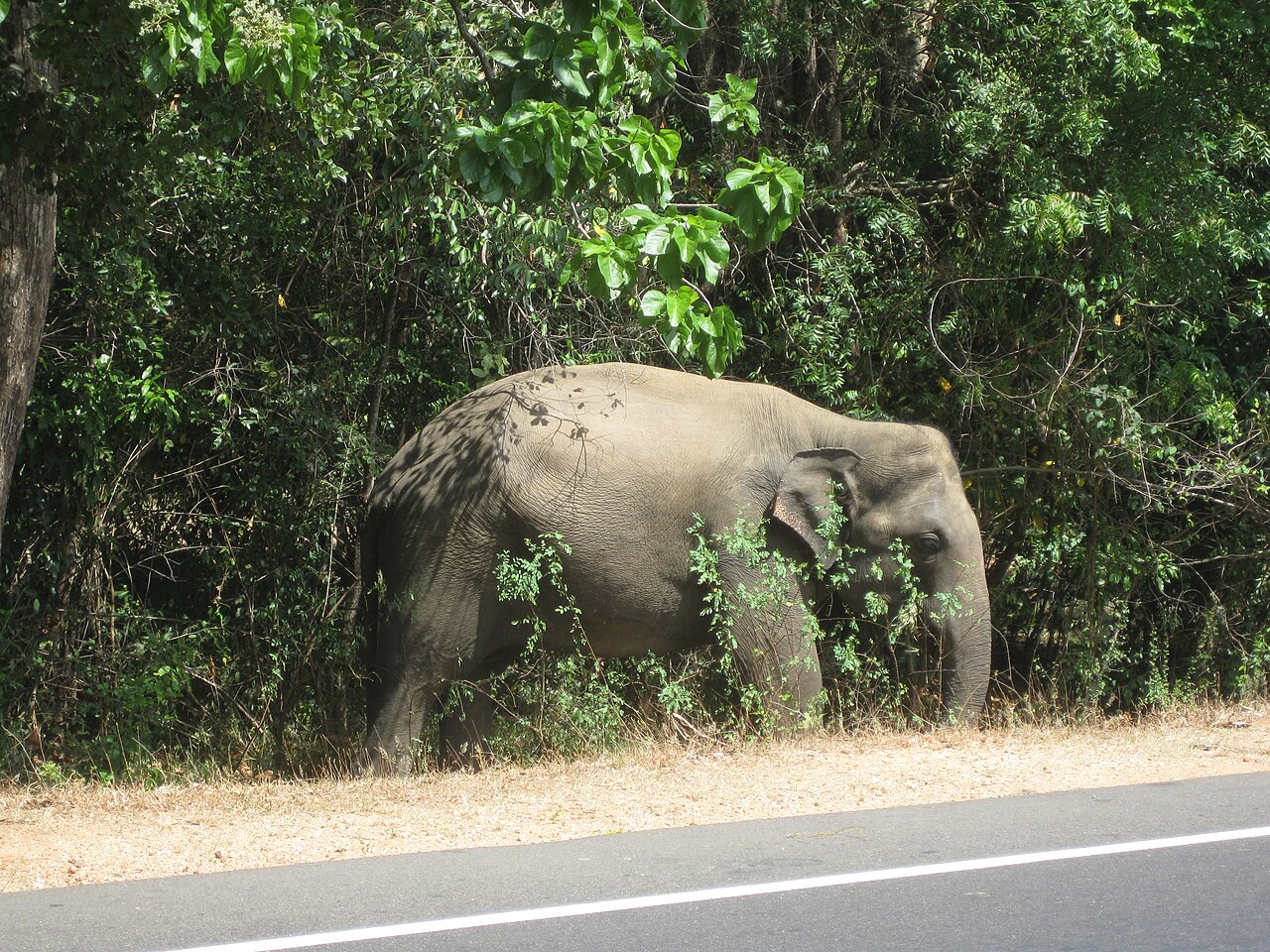
- The Ethical Alternative: Observe elephants living free in the wild! National parks like Udawalawe, Minneriya, Kaudulla, and Yala provide extraordinary opportunities to see wild breeding herds living on their own terms.
- Support Genuine Sanctuaries: Visit the Elephant Transit Home (ETH) in Udawalawe, where orphaned calves are rehabilitated and returned to the wild without commercial hands-on contact or petting.
2. Responsible Safari Jeep Practices
In popular parks like Yala, heavy vehicle traffic can cause distress if not managed responsibly:
- Maintain Respectful Buffers: Ensure your driver keeps a minimum 25-meter distance from elephants and 15 meters from leopards. Never allow your driver to block an animal’s pathway to a waterhole.
- Stay Inside the Vehicle: Never step out of your jeep or lean far over the sides.
- Silence is Golden: Keep voices down to a quiet whisper. Turn off camera shutter beeps and never shout or whistle to make an animal look toward your lens.
- No Speeding: Fast driving kicks up choking dust and poses collision risks to crossing wildlife.
3. Marine Wildlife Ethics: Whales & Turtles
- Choose boat operators who adhere to international whale watching guidelines (throttling engines to idle at 100 meters, never cutting across a whale’s bow, and never encircling animals).
- Avoid captive sea turtle hatcheries that keep hatchlings in chlorinated cement tanks for tourist selfies; instead, support conservation projects that protect natural beachfront nesting sites.
Guide Insights: From Our Drivers
“At Pio Lanka, our drivers are trained wildlife conservationists first. We refuse to participate in aggressive 'jeep chases' when a leopard is spotted. True luxury is sitting quietly in the bush, waiting patiently, and watching wildlife behave completely naturally.”
**Clarence