In 1867, a Scotsman named James Taylor planted 19 acres of tea seedlings on the Loolecondera Estate near Kandy, following a catastrophic fungal blight (coffee rust) that destroyed Sri Lanka’s coffee industry. That experiment sparked an agricultural revolution, transforming the island into the world's premier producer of high-grown orthodox tea.
Today, Ceylon Tea is renowned globally for its bright golden color, crisp citrus aroma, and clean brisk finish. Visiting a working tea factory is an essential highlight of any hill-country itinerary.
1. The Art of the Pluck: Two Leaves and a Bud
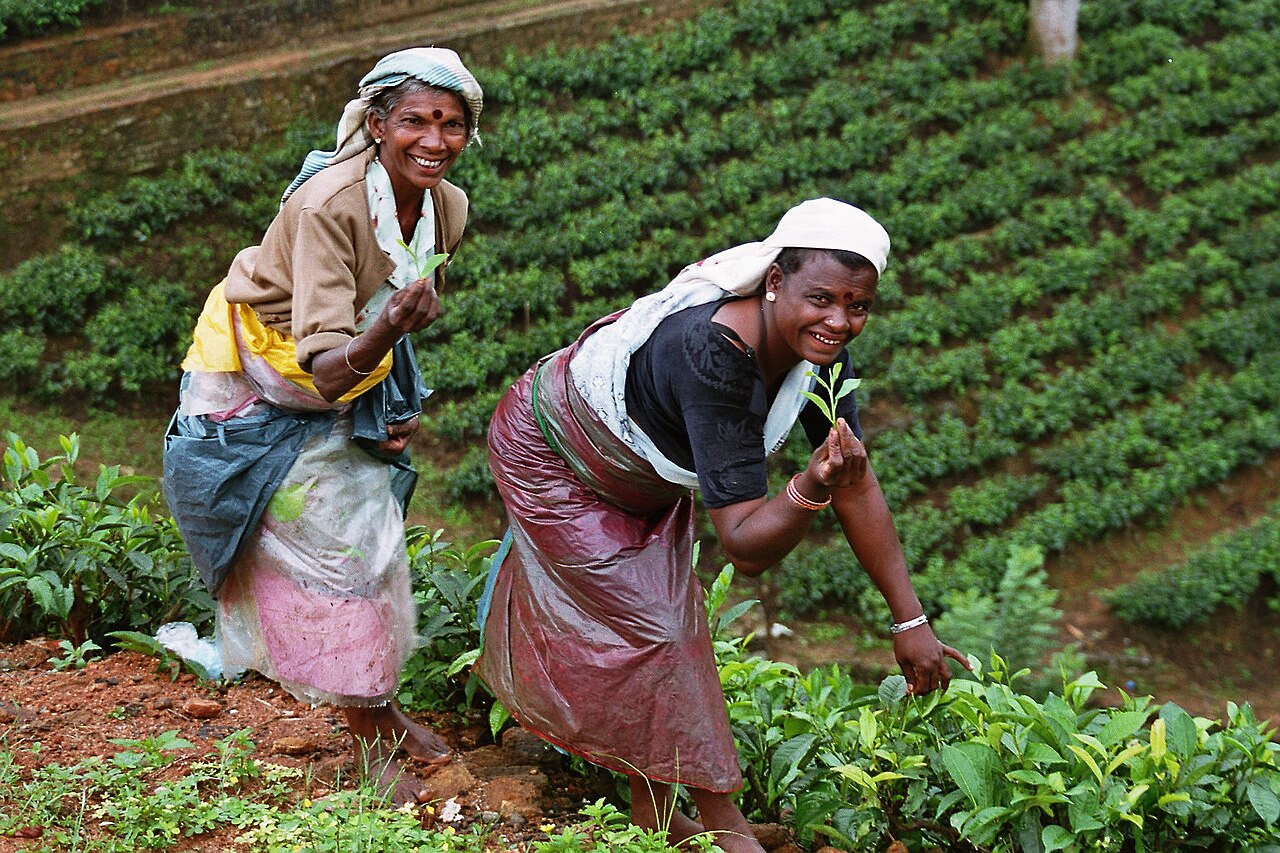
Across the undulating mountain slopes, female tea pluckers skillfully harvest only the newest tender growth—known throughout the industry as "two leaves and a bud". With woven baskets strapped to their foreheads, experienced pluckers can hand-harvest up to 20 kilograms of green leaf daily without damaging the surrounding bush.
2. Inside the Factory: The Orthodox Manufacturing Process
A factory tour follows the harvested leaf through five traditional mechanical steps, utilizing restored British machinery that has operated continuously for over a century:
- Withering: Freshly picked green leaves are spread across long wooden troughs where warm fans reduce moisture content by 50% over 12 to 18 hours.
- Rolling: Heavy cylindrical brass rollers twist and crush the withered leaf, rupturing plant cells and releasing natural essential oils without shredding the leaf.
- Fermentation (Oxidation): The rolled leaf is spread on ceramic tiles. Exposure to oxygen turns the green leaf a rich coppery red, developing complex flavor and body.
- Firing (Drying): The leaf passes through a hot-air wood-fired furnace at 100°C to halt oxidation and lock in aromas.
- Grading & Sifting: The dried black tea passes through vibrating wire mesh sieves that classify the leaves into recognized grades: from whole leaf grades like Orange Pekoe (OP) to broken grades like BOP (Broken Orange Pekoe) and fine Dust.
3. The Professional Tea Tasting
At the conclusion of the factory tour, guests participate in a guided tea tasting session. Learn to slurp briskly from porcelain cupping bowls to oxygenate the palate, distinguishing between light golden high-grown teas (Nuwara Eliya), medium-bodied full teas (Dimbula), and robust malty low-grown brews (Ruhuna).
“When buying tea to bring home, skip the tourist supermarkets in Colombo. Buy directly from the factory sales counters in the hills. Look for the golden Lion logo carrying the 17-petal sword—that is your government guarantee of 100% pure Ceylon tea packed at source.”