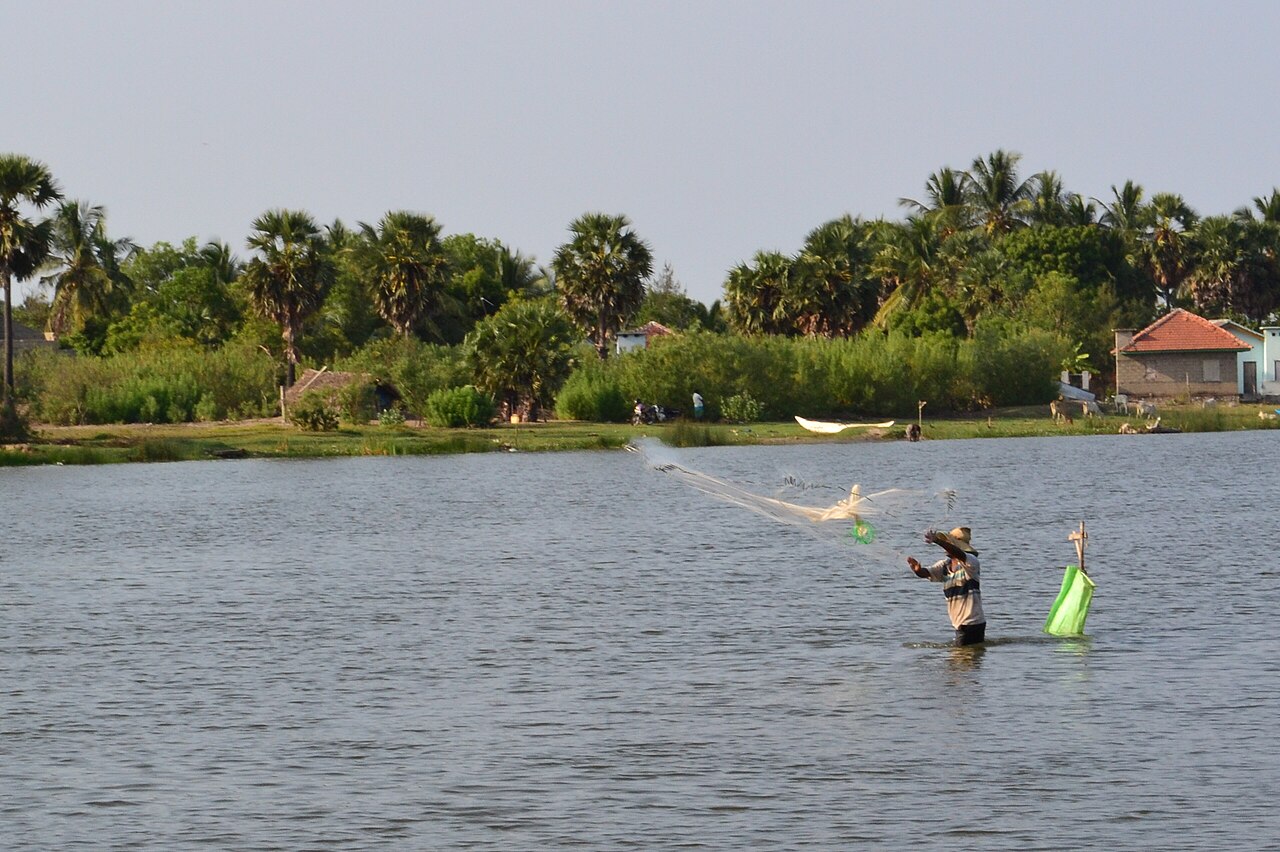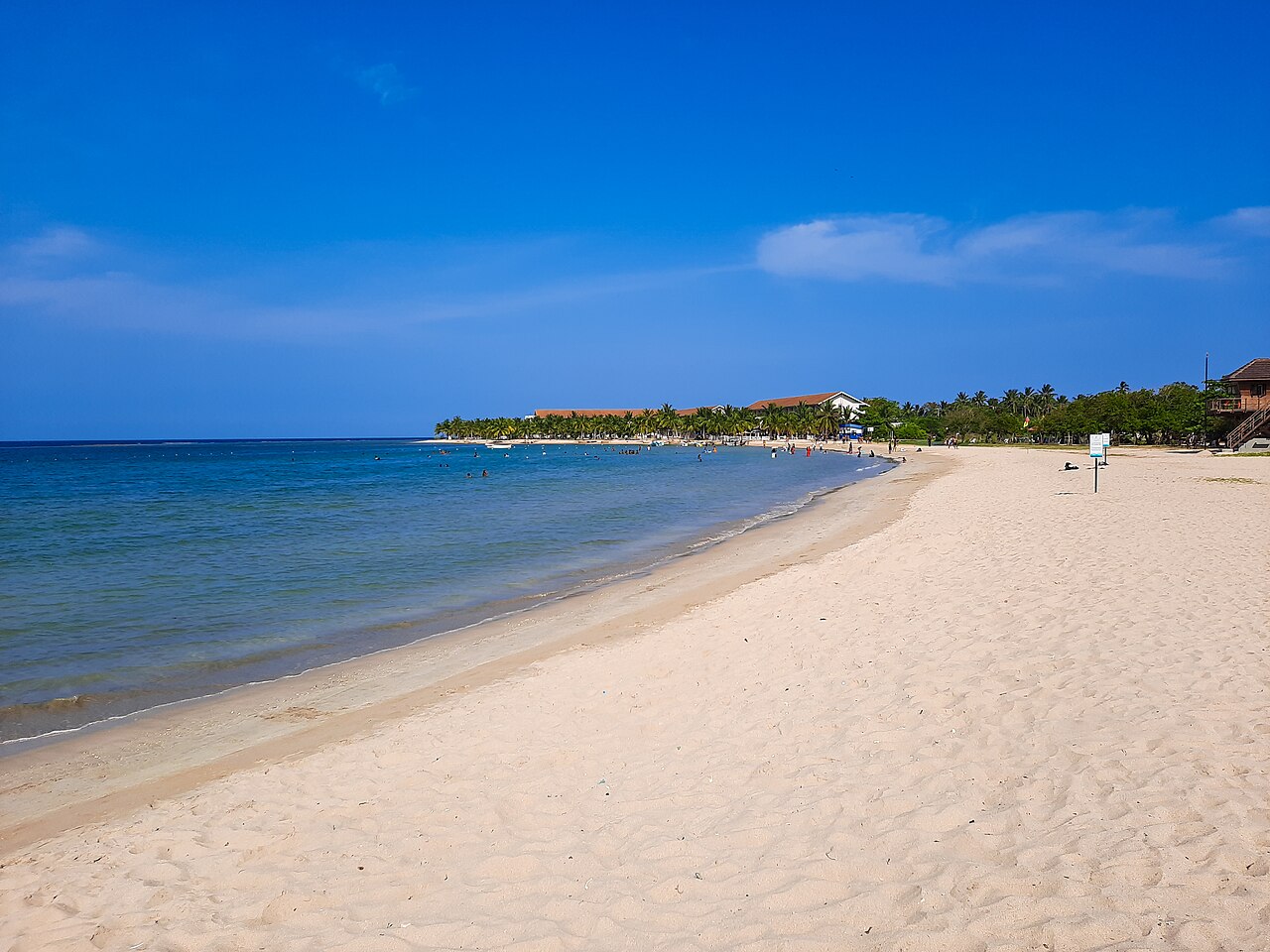
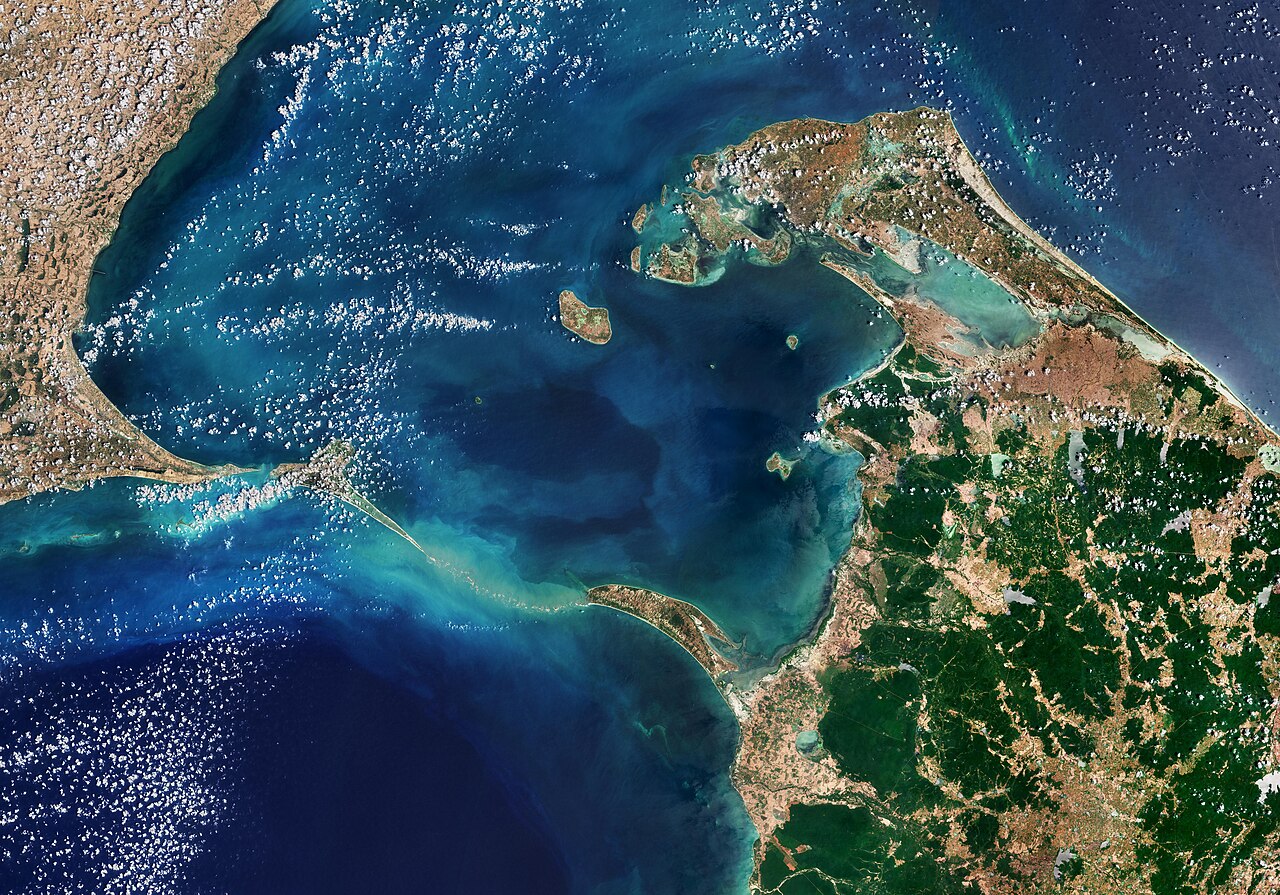
Stretching out like a slender finger from the northwest coast toward the southern coast of India, Mannar Island is one of Sri Lanka’s most mystifying and ecologically unique landscapes.
Connected to the mainland by a long modern causeway crossing salt pans and bird-filled mudflats, Mannar has played a pivotal role in maritime trade for thousands of years, celebrated by ancient Greek, Roman, Arab, and Chinese geographers for its legendary pearl oyster banks.
1. Adam’s Bridge (Rama Setu)
At the western tip of Mannar Island lies Talaimannar, where the land dissolves into a chain of 18 discontinuous limestone sandbanks and coral shoals reaching across the Palk Strait toward Rameswaram, India, just 30 kilometers away:
- Mythology: In the Hindu epic Ramayana, this is Rama Setu—the divine causeway built by Prince Rama’s monkey army (Vanaras) to cross the ocean and rescue his wife Sita from King Ravana.
- Geology: Geological evidence reveals that until a major cyclone breached the sandbanks in the 15th century, travelers could walk dry-shod between India and Sri Lanka.
- The Pier & Lighthouse: Stand beside the historic 1915 Talaimannar Lighthouse, where British railway passenger trains once connected directly with passenger ferries to India.
2. The Living African Legacy: Baobabs and Donkeys
Mannar holds living historical reminders of medieval trade with East Africa:
- The Giant Baobab Tree (Perukku Maram): Located at Pallimunai, this ancient African Baobab tree was planted by Arab merchants over 700 years ago to provide medicinal fruit for their camels. Its colossal, gnarled trunk measures an astonishing 19.5 meters in circumference.
- Feral Donkeys: Hundreds of wild donkeys, originally brought by Arab traders as pack animals, roam free along the sandy beaches and palm groves.
3. Bird Migration Hotspot
During the winter months (November to March), Mannar’s coastal mudflats and salt marshes become one of South Asia’s most important wintering grounds for hundreds of thousands of migratory waterfowl, including greater flamingos, crab plovers, and rare gulls.
“Mannar is for travelers who want true adventure away from commercial tourist trails. The wind off the ocean, the endless sand spits of Rama Setu, and the sight of wild flamingos in the salt pans create an atmosphere you will never forget.”