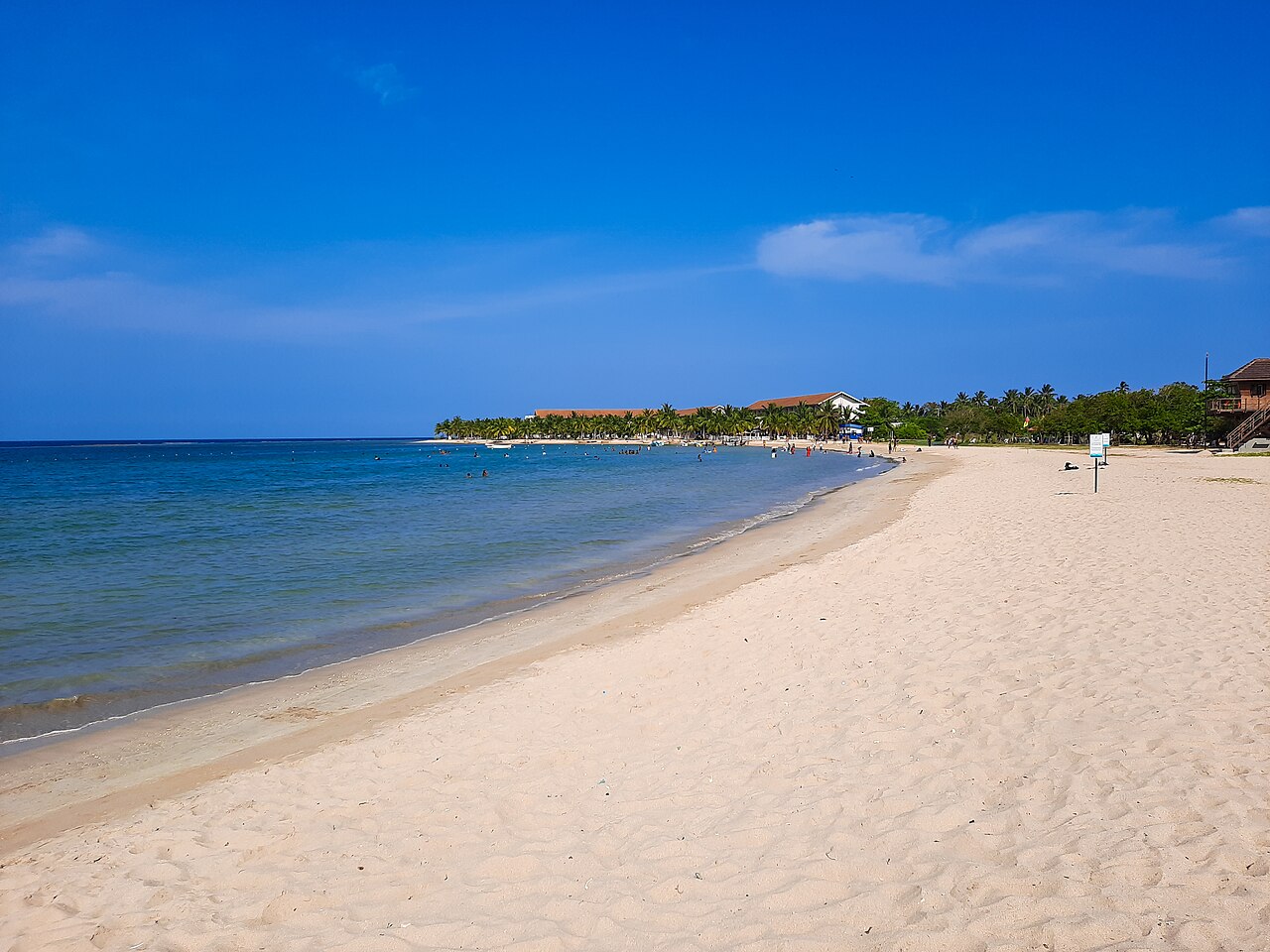
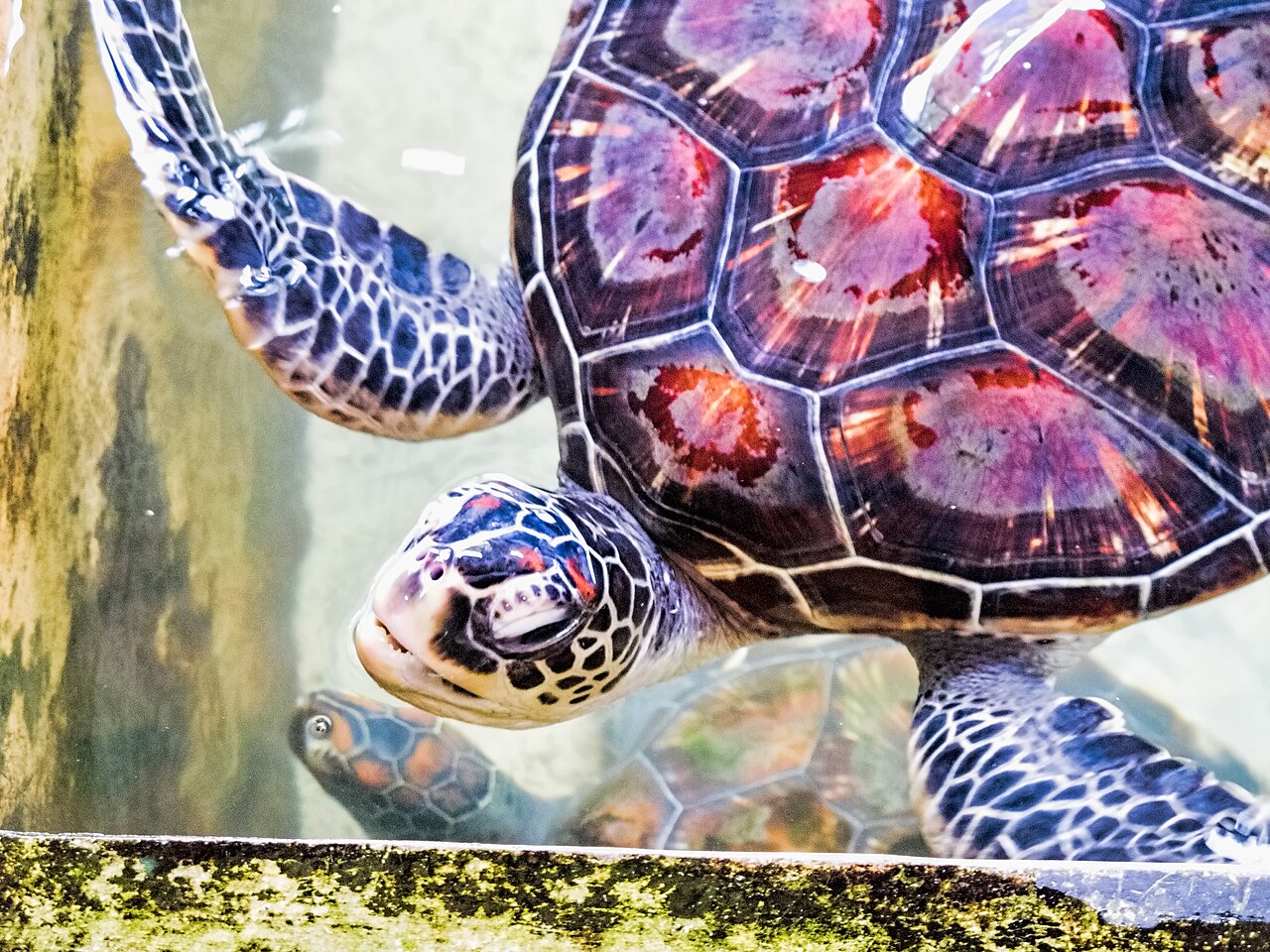
Sri Lanka’s warm southern beaches are globally critical nesting grounds for marine turtles. In fact, five of the world’s seven living sea turtle species regularly come ashore here to lay their eggs: Green Turtle, Olive Ridley, Hawksbill, Loggerhead, and Leatherback.
At the Ahungalla and Kosgoda Sea Turtle Conservation Projects, community-driven conservationists work tirelessly to protect these endangered ancient reptiles from illegal egg poaching, fishing nets, and habitat loss.
1. How Hatcheries Protect Fragile Nests
In the wild, turtle nests on public beaches face severe threats from stray dogs, monitor lizards, and human poachers who sell turtle eggs on black markets.
Ethical conservation hatcheries address this challenge:
- Egg Rescue: Wardens patrol miles of beach each night, purchasing eggs from local villagers or relocating vulnerable nests to safe, enclosed sand incubators within the hatchery grounds.
- Incubation: Nests are buried at natural sand depths and marked with laying dates. After approximately 50 to 60 days, tiny hatchlings dig their way to the surface.
- Night Releases: Newly hatched baby turtles are kept in clean seawater tanks for a maximum of 1 to 2 days before being released into the ocean after dark, when predatory birds and daylight fish are dormant.
2. Rehabilitation of Injured Turtles
Hatcheries also serve as veterinary sanctuaries for adult turtles rescued from commercial fishing nets or boat collisions:
- Turtles who have lost flippers receive long-term rehabilitation and care.
- Rare albino turtles, unable to survive in the wild due to lack of camouflage, are protected in specialized educational tanks.
3. What Responsible Visitors Should Look For
- Ensure the center limits handling: visitors should not pass baby turtles from hand to hand for selfies.
- Releases should happen at dusk or night without artificial camera flashlights.
- Entry tickets directly fund beach patrols, egg rescue funds, and veterinary supplies.
“Watching a tiny, two-inch baby turtle paddle furiously through the sand into the foamy waves under the moonlight, beginning a journey that spans thousands of ocean miles, is a moment our guests never forget.”