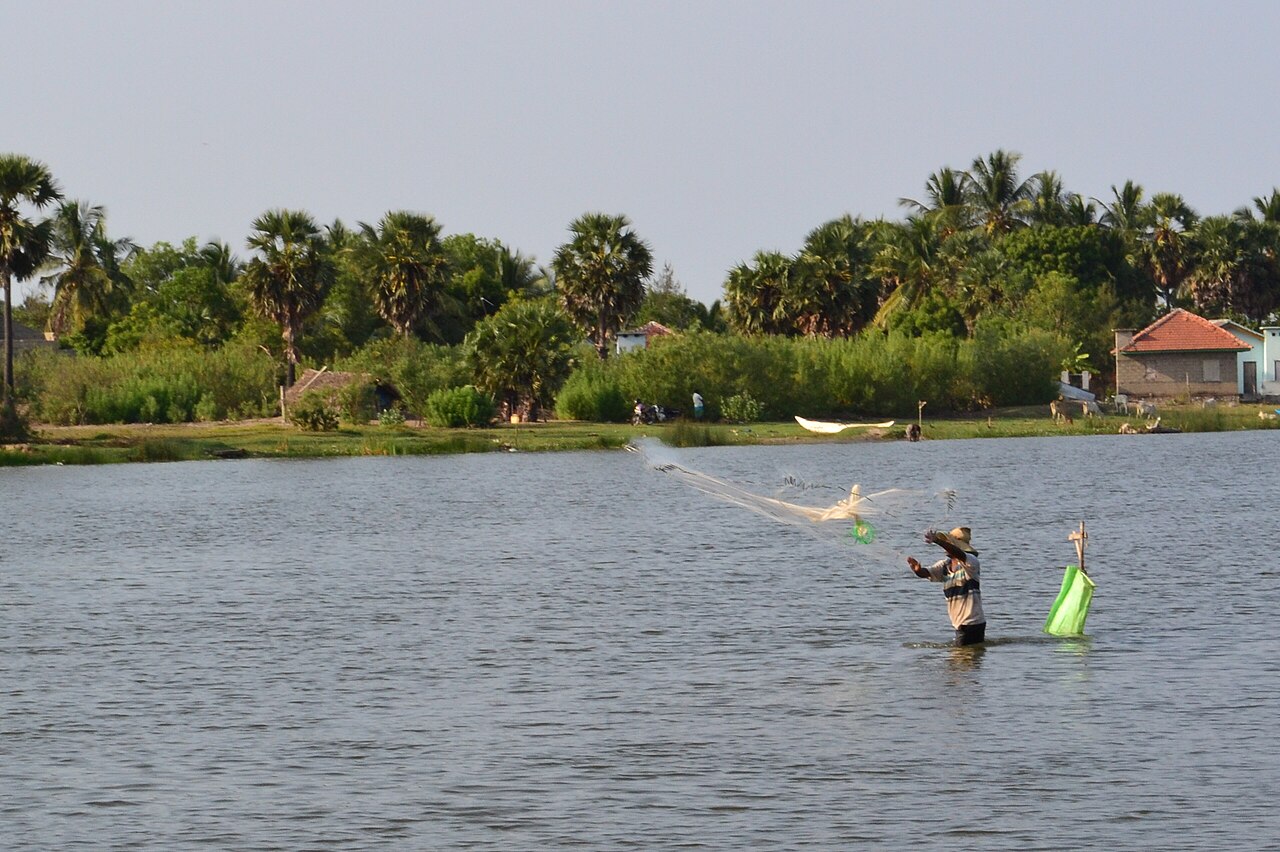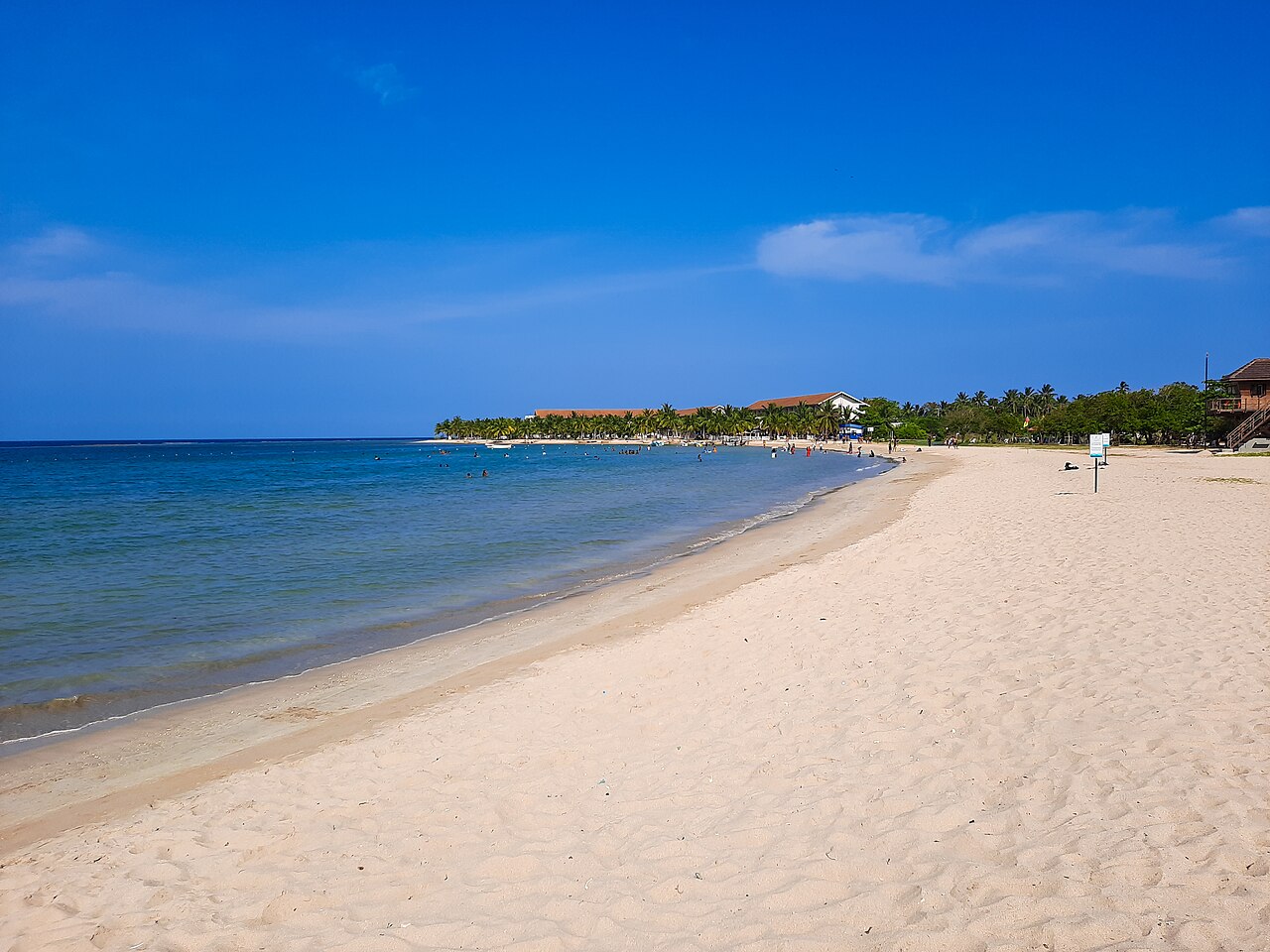
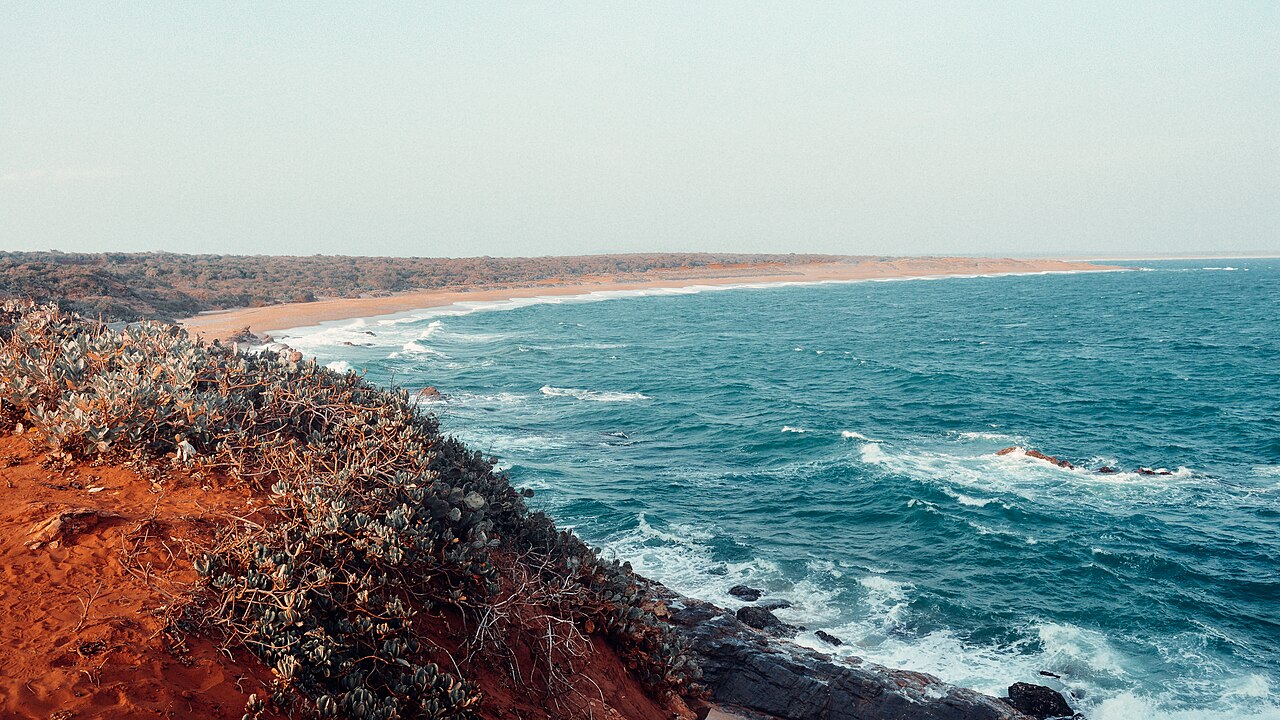
Tucked along the remote arid southern coastline between Hambantota and Yala, Bundala National Park is an internationally acclaimed ornithological paradise. In 1990, it became Sri Lanka’s very first designated Ramsar Wetland Site of International Importance, and in 2005 was declared a UNESCO Biosphere Reserve.
The park is composed of five shallow, brackish coastal lagoons (Embilikala, Malala, Bundala, Koholankala, and Mahalewaya) framed by coastal dunes, scrub jungle, and salt pans that provide the ultimate winter haven for migratory birds escaping the Arctic and Himalayan winters.
1. The Great Winter Bird Migration
Between September and March, the skies over Bundala come alive with over 200 species of birds, of which nearly 60 are intercontinental migratory species:
- Greater Flamingos (Phoenicopterus roseus): In favorable water conditions, large flocks of pink greater flamingos arrive from the Rann of Kutch in India, filter-feeding in the shallow brine lagoons in their thousands.
- Spectacular Waterfowl: Large gatherings of Painted Storks, Spot-billed Pelicans, Asian Openbills, Black-necked Storks, and Glossy Ibises.
- Raptors & Waders: Dozens of species of sandpipers, plovers, and stints along the mudflats, monitored overhead by circling White-bellied Sea Eagles and Brahminy Kites.
2. Mammals and Reptiles of the Coastal Scrub
Bundala is far more than just a bird park:
- Coastal Crocodiles: Both Mugger Crocodiles (freshwater) and massive Saltwater Crocodiles inhabit the deeper lagoon inlets.
- Nesting Marine Turtles: All five species of endangered sea turtles land on Bundala’s pristine ocean beaches to lay their eggs under the moonlight.
- Elephant Sightings: A small resident population of Asian elephants frequents the park's sand dunes and water basins.
3. Best Time for a Birding Safari
- Optimal Hours: 6:00 AM to 9:30 AM is prime time. The morning light over the lagoons is soft, water reflections are mirror-like, and feeding activity is at its peak.
- Gear Recommendation: Bring binoculars (8x42 or 10x42) and a telephoto zoom lens (minimum 300mm to 600mm).
“While other tourists queue for jeeps at Yala, Bundala is silent and wild. Even if you don't consider yourself a dedicated birdwatcher, watching a flock of hundreds of painted storks take flight against a pink dawn sky over the lagoon will take your breath away.”