While the towering stone fortresses of Sigiriya and royal ruins of Polonnaruwa capture the ancient history of Sri Lanka, the soul of the island remains rooted in its agricultural villages. The Habarana Village Trek is a hands-on cultural experience that immerses travelers in traditional rural life, traditional transport, and ancient culinary heritage.
1. Journey by Bullock Cart
The experience begins along quiet red-dirt village lanes in a traditional two-wheeled wooden bullock cart (karaththaya). Protected by an arched woven canopy of dried coconut leaves (cadjan), the slow, rhythmic pace takes you past family farmsteads, banana groves, and chena (slash-and-burn) crop fields cultivated with manioc, sweet potato, and green chilies.
2. Crossing the Lake by Oruwa Catamaran
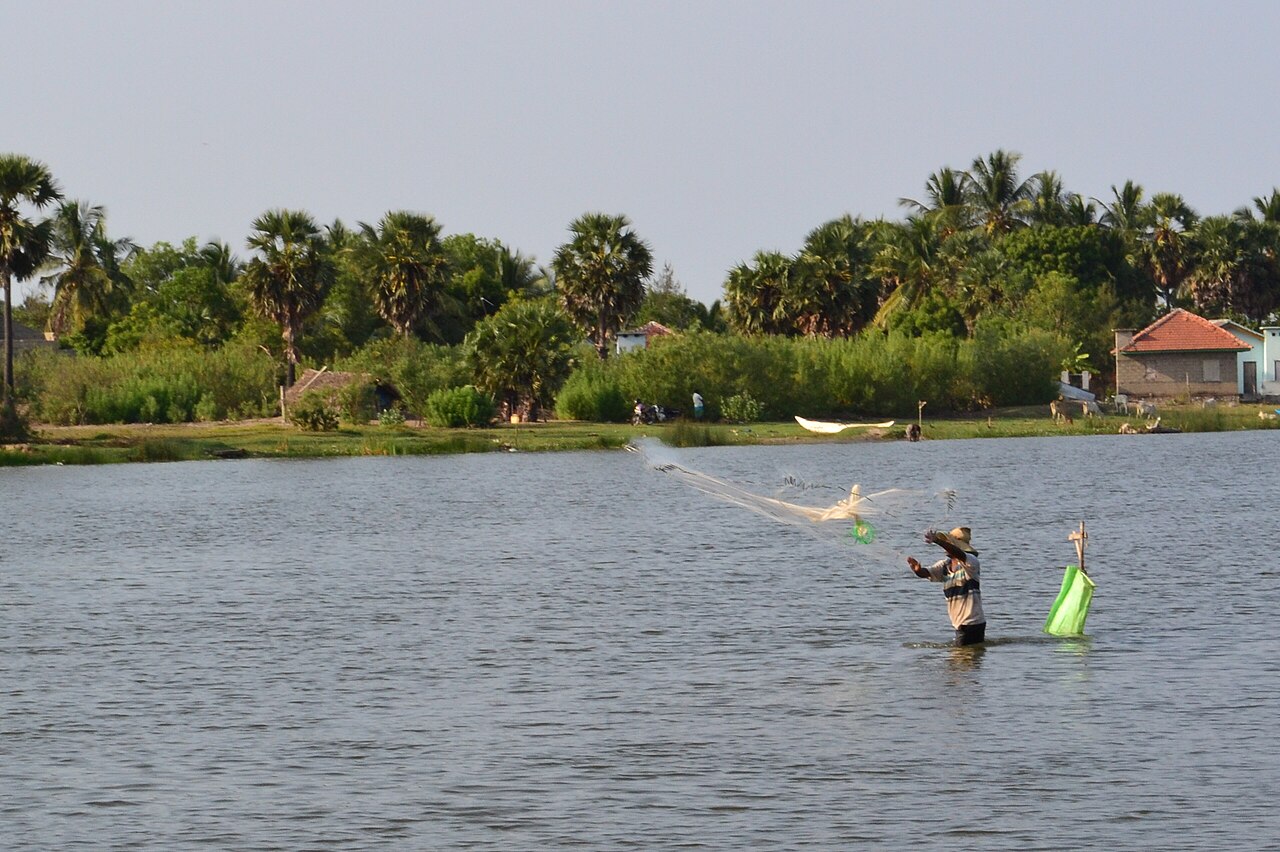
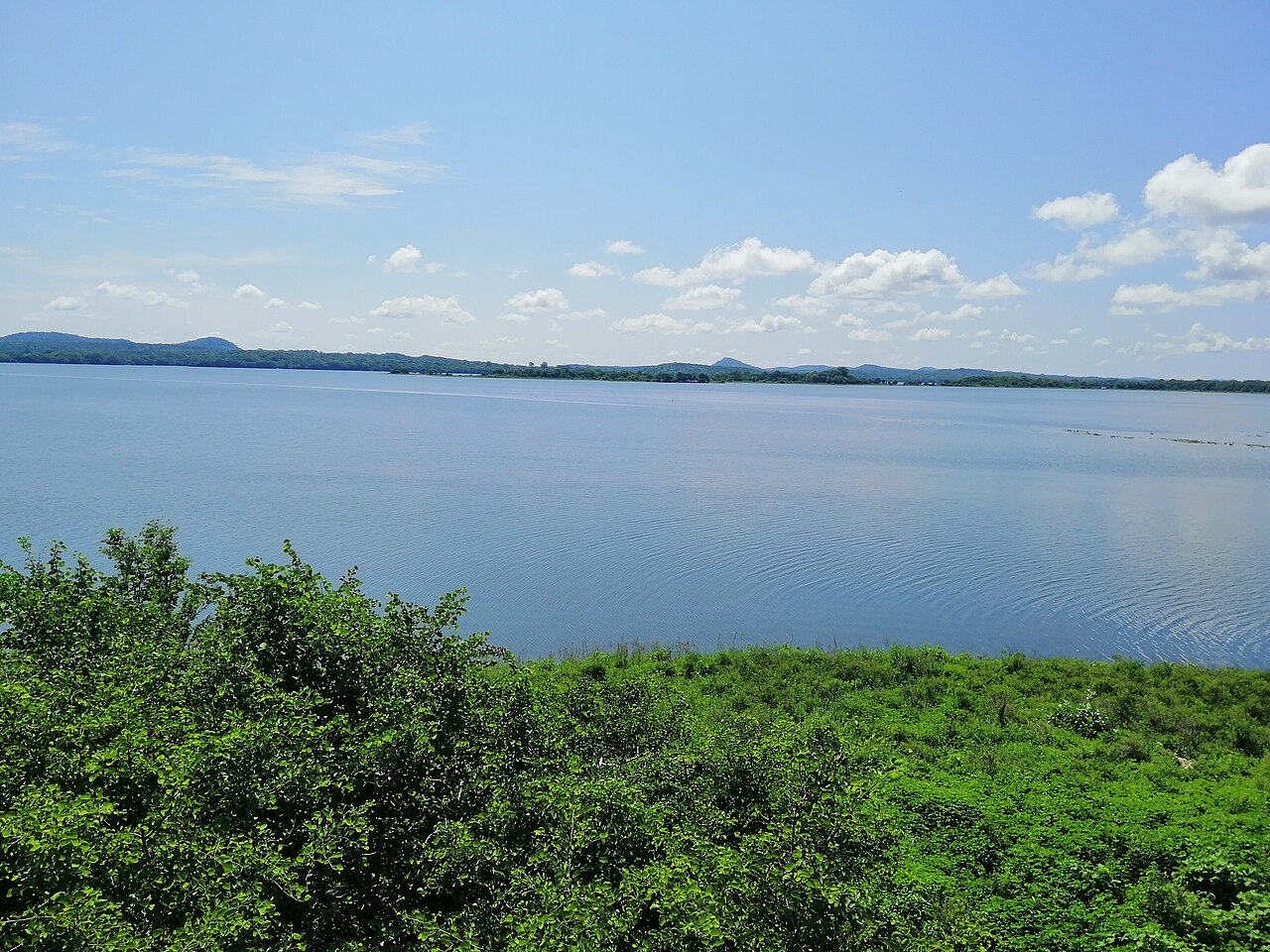
Next, the trail reaches the edge of a serene rural lake (wewa). These reservoirs, constructed by ancient kings over a millennium ago, are the lifeblood of rural communities.
Travelers step aboard an oruwa—a twin-hulled traditional catamaran fashioned from hollowed logs and stabilized by an outrigger. As the boatman paddles silently across the water, lotus flowers brush against the hull and white-bellied sea eagles circle overhead. Looking north across the water, Sigiriya Rock often looms like an island above the tree canopy.
3. Cooking in a Mud-Wattle Kitchen
The boat docks near a peaceful village house built with clay-and-mud walls and palm-thatched roofs. Here, local village women welcome guests with warm hospitality:
- Pounding Rice: Try your hand at using a heavy wooden pestle and mortar (vangediya) to pound dried paddy rice into flour.
- Scraping Fresh Coconut: Sit upon a traditional hiramanaya (a wooden bench with a curved steel blade) to scrape fresh white coconut meat.
- Clay Pot Cookery over Woodfire: Taste authentic village staples: fiery coconut sambol ground fresh on a flat granite stone (miris gala), crispy water lily flower fritters, fragrant dhal curry simmered in clay pots over wood fires, and fresh lake fish seasoned with curry leaves and black pepper.
4. The Farmer's Treehouse (Pela)
At the edge of the farm stands a high wooden treehouse built atop a mature palu tree. Your guide will explain how local farmers sleep in these precarious platforms during harvest season to guard their crops against roving herds of wild elephants, using firecrackers and loud shouts to protect both the crops and the animals.
“Children love this excursion. They get to hold the reins of the cart, help paddle the catamaran, and wear lotus-leaf hats folded by our boatmen. It gives travelers a true appreciation of the humble, gracious warmth of Sri Lankan village folk.”