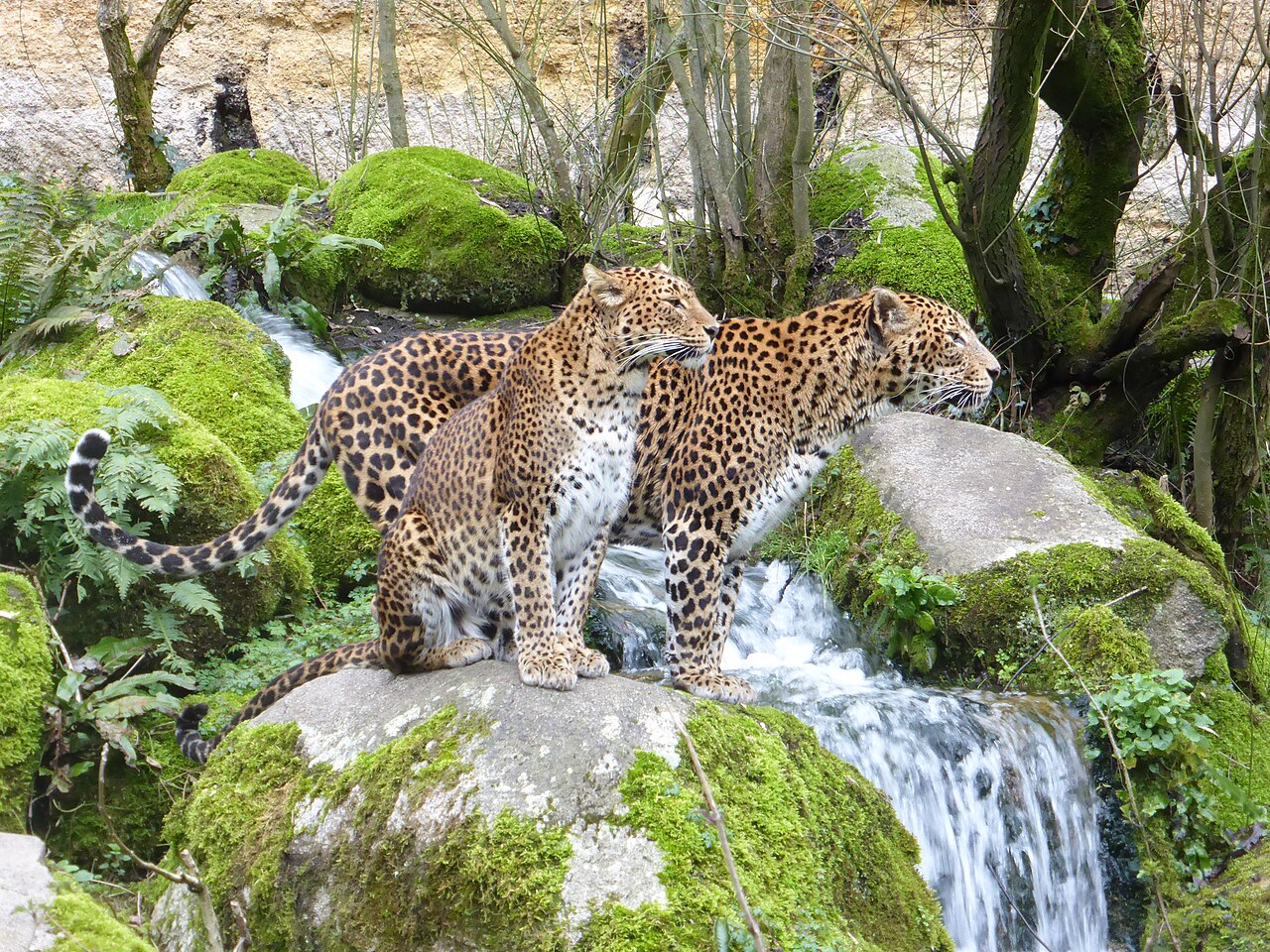
Spanning the arid southeastern coastline of Sri Lanka, Yala National Park (Ruhuna) is the country’s most celebrated wildlife sanctuary. What makes Yala globally famous among wildlife photographers and naturalists is a unique evolutionary quirk: Sri Lanka has no lions, tigers, or hyenas.
As a result, the Sri Lankan Leopard (Panthera pardus kotiya) evolved as the undisputed apex predator of the island. Unafraid of rival predators, Yala’s leopards walk boldly along open dirt tracks, hunt by daylight, and lounge casually atop massive granite boulders (tors).
1. Understanding the Blocks: Where to Go
Yala is divided into five distinct administrative blocks, but safari activity focuses primarily on two:
- Block 1: The classic sector bordering the Indian Ocean, boasting lagoons, coastal dunes, and the highest concentration of habituated leopards anywhere in Asia.
- Block 5: A quieter northern sector along the Manik River. While sightings are slightly less frequent, vehicle density is significantly lower, offering a more peaceful safari experience.
2. The Daily Rhythm of the Big Cat
- Morning Safari (6:00 AM – 10:00 AM): Leopards hunt during the cool dawn hours. As the sun rises, they often stretch out on warm granite rock shelves to absorb morning heat before retreating into thick thorny scrub.
- Midday Slumber: Between 11:00 AM and 2:30 PM, the dry-zone heat is intense. Animals seek dense shade; safari jeeps typically exit the park for lunch and rest.
- Afternoon Safari (2:30 PM – 6:00 PM): As temperatures fall, animals move toward waterholes and coastal lagoons. Late afternoon offers the best warm, golden photographic lighting.
3. Beyond the Leopard: The Yala Big Four
While leopards dominate the headlines, Yala is a thriving biodiversity hotspot:
- Sloth Bears (Melursus ursinus): Shaggy, black-furred bears with pale muzzles, frequently spotted during May and June when sweet palu berries ripen and fall to the ground.
- Asian Elephants: Small herds and solitary tuskers roaming between coastal lagoons.
- Mugger Crocodiles: Massive reptiles basking with open jaws along the banks of Buthawa and Uraniya water tanks.
- Spotted Deer & Sambars: The primary prey base, grazing in large herds along the grassy plains.
4. Ethical Safari Guidelines
To safeguard the animals and ensure a high-quality experience:
- Patience Beats Chasing: Experienced Pio Lanka trackers choose strategic waterhole lookouts and wait for alarm calls (the sharp bark of a spotted deer or langur monkey) rather than speeding after crowds of jeeps.
- Silence in the Vehicle: Keep your voice to a whisper when an animal appears. Sudden loud shouts or reaching outside the vehicle will cause shy leopards to bolt into the bush.
“The secret to seeing a leopard in Yala is not speed; it is listening. When the jungle suddenly goes quiet and a deer lets out a high, metallic alarm bark, you know a cat is moving nearby. Trust your tracker's ears.”