
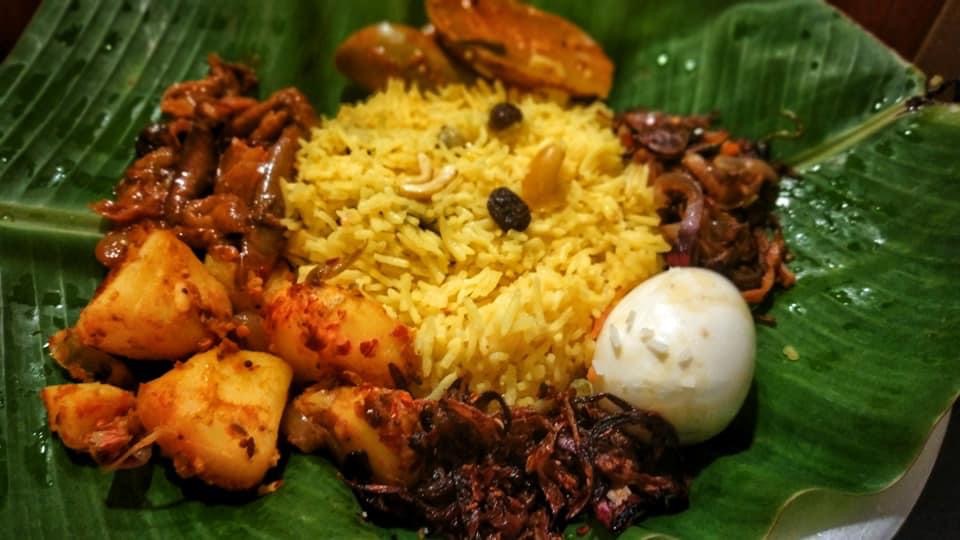
To the uninitiated traveler, the phrase "rice and curry" sounds like a simple meal. But in Sri Lanka, Rice and Curry is an elaborate, multi-course feast representing thousands of years of botanical wisdom, Ayurvedic medicine, and culinary mastery.
A traditional Sri Lankan meal is never a single bowl of stewed meat; it is a colorful, harmonious mandala of five to ten distinct vegetable, legume, and protein dishes arranged around a steaming mountain of fragrant local rice, meticulously balancing the six Ayurvedic tastes: sweet, sour, salty, bitter, pungent, and astringent.
1. The Core Components of the Spread
- The Rice Foundation: Sri Lanka cultivates over 30 varieties of indigenous heirloom rice—from nutty, iron-rich Suwandel and fragrant Kalu Heenati to fluffy white Samba.
- Parippu (Spiced Dhal): The comforting backbone of every meal. Red split lentils simmered gently in thick coconut milk (mitikiri), tempered (theldala) with mustard seeds, sliced shallots, curry leaves, garlic, and turmeric.
- Polos (Young Green Jackfruit Curry): Harvested while green and firm, the jackfruit is simmered for hours in clay pots with roasted spices and toasted coconut paste until it achieves a rich, tender texture remarkably similar to pulled pork or beef.
- The Protein: Fresh village chicken, deep-water yellowfin tuna, or wild lagoon crab simmered in a dark, roasted black curry powder (badapu thunapaha).
- Melluma (Shredded Greens): Finely shredded indigenous greens (such as gotu kola or passionfruit leaves) tossed lightly with freshly grated coconut, shallots, lime juice, and green chilies—crisp, bitter, and refreshing.
2. Essential Condiments & Sambols
- Pol Sambol: Freshly scraped white coconut meat ground on a granite stone with dried red chilies, red onions, Maldon-style sea salt, and a generous squeeze of fresh lime juice.
- Lunu Miris: A fiery red paste of crushed dried chilies, red onions, and umami-rich cured Maldive fish chips.
- Papadam: Crisp, golden rounds of fried lentil flour wafers that add an essential crunch.
3. The Art of Eating with Your Hand
While cutlery is always provided for international guests, eating rice and curry with your right hand elevates the experience:
- Use your fingertips to mix a small portion of rice with dhal, vegetable curries, and a pinch of sambol into a neat bite-sized ball (anala).
- Using your thumb to gently slide the food into your mouth allows you to experience the textures and temperatures directly, enhancing digestion and flavor appreciation.
“Always look for roadside 'Hotel' restaurants (which in Sri Lanka actually means a restaurant, not a hotel!) where clay pots are bubbling over wood fires. That is where you will taste the most authentic, soulful cooking on the island.”
Lakshman